

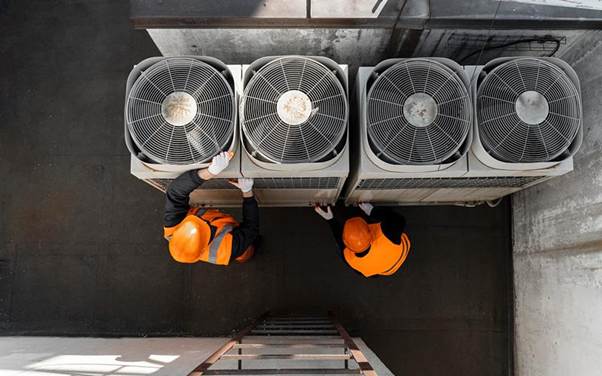
Regular air-conditioning maintenance is a necessity rather than a luxury in the city-state’s humid climate. While many people assume that aircon servicing is a standard process for all systems, the reality is that home and office units require distinct approaches. The difference lies not just in scale, but also in purpose, frequency, and the complexity of upkeep. Understanding these differences helps homeowners and facility managers make better decisions on when and how to schedule their aircon servicing in Singapore.
1. Scale and System Design
Residential air-conditioning systems are usually split-type units that serve smaller areas such as bedrooms or living rooms. They are easier to access and maintain since each unit operates independently. In contrast, office buildings commonly use centralised or VRV/VRF systems, which cool large zones and run continuously during working hours. The structure of these systems demands specialised technicians trained in handling interconnected ducts, condensers, and compressors. Due to this, an aircon chemical wash for an office system is more complex, requiring a team of technicians rather than a single operator. The scale also affects how long servicing takes—a home visit may last an hour, while an office maintenance session can stretch across several days.
2. Frequency and Usage Patterns
Usage intensity is another major difference. Home air-conditioners are typically used during evenings or weekends, meaning they rest for much of the day. On the other hand, offices rely on air-conditioning continuously for eight to twelve hours daily, with little downtime. This heavier usage accelerates the buildup of dust, bacteria, and mould within the system. Therefore, aircon servicing for commercial properties often follows a quarterly schedule, while homes might only need servicing every four to six months. Office units also require more frequent aircon chemical washes to prevent reduced cooling efficiency, which can affect indoor comfort and employee productivity.
3. Health, Air Quality, and Safety
Air quality is a top priority for both environments, but the stakes differ. The concern in a household centres on personal health and comfort. Dust and bacteria trapped in filters can trigger allergies, particularly in children and the elderly. An aircon chemical wash ensures the removal of these pollutants, keeping indoor air clean. Meanwhile, in office settings, poor air quality can impact multiple people at once, leading to reduced concentration, sick building syndrome, and absenteeism. Commercial aircon servicing often includes air quality assessments and more rigorous cleaning protocols to maintain workplace standards in compliance with the region’s building management regulations.
4. Maintenance Cost and Contractual Differences
Residential servicing costs are straightforward, with individual homeowners paying per unit or per visit. Packages are usually affordable, designed for households with limited systems. In contrast, corporate maintenance involves long-term service contracts, covering multiple units and regular inspections. These contracts often include detailed reports, emergency call-outs, and performance monitoring. While the cost of aircon servicing for offices is higher, the investment reduces the risk of system breakdowns that could disrupt business operations. The choice between routine cleaning and an air conditioning chemical wash is often dictated by the building’s usage level, cooling load, and the client’s budget.
5. Technical Expertise and Equipment
Servicing residential air-conditioners typically requires basic tools for cleaning filters, fan coils, and drain pans. However, technicians handling office systems must use advanced diagnostic tools to check refrigerant levels, electrical components, and temperature regulation across different zones. An aircon chemical wash in an office setting might also involve partial dismantling of components to access hidden dirt and residue that affect performance. Moreover, commercial technicians are expected to carry certifications for handling larger, high-pressure systems safely and efficiently.
Conclusion
While both home and office systems benefit from regular maintenance, the scale, frequency, and technical depth of air conditioning servicing vary significantly between them. Households focus on comfort, cost-efficiency, and hygiene, whereas offices prioritise reliability, system longevity, and air quality for a larger workforce. Whether it’s a simple cleaning or a full aircon chemical wash, proper servicing ensures your system performs optimally—keeping both homes and workplaces comfortable in Singapore’s year-round heat.
Contact Newway to ensure your units stay clean, efficient, and safe.
