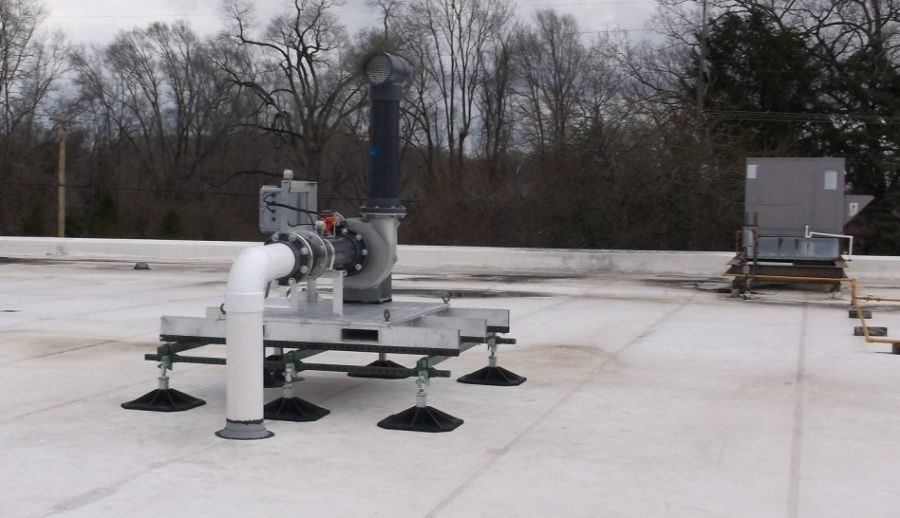
Strong structural planning requires attention to hidden soil gases that threaten structural strength and indoor air quality. Effective vapor mitigation begins with early risk review and proper material choice. Moisture intrusion and harmful vapor movement can weaken concrete slabs and enclosed areas over time. Decision makers must compare system layers’ sealing methods and long-term durability before approval—go here to review detailed specifications and make a confident, well-informed decision.
Installation Quality Measures
Skilled crews ensure consistent vapor barrier alignment across wide surfaces. Overlapping seams are sealed with approved tapes to reduce vapor leakage.
- Check substrate dryness before membrane placement for stability
- Seal pipe penetrations carefully to prevent unwanted gas entry
- Inspect overlaps thoroughly to confirm tight joint closure
- Protect sheets from puncture during reinforcement placement activities
- Record inspection details for transparent project documentation
Material Selection Standards
Selecting quality membranes is central to reliable vapor control. Thickness, permeability rating, and resistance to puncture determine overall efficiency. A strong sheet combined with sealed joints limits vapor transfer beneath slabs. Builders must review compliance certificates and verify laboratory testing data.
System Design Integration
Proper integration with foundation elements improves vapor mitigation success. Designers coordinate barrier placement with drainage layers and sub-base preparation. Continuous sealing around columns and utility entry blocks unwanted vapor movement. Careful planning avoids weak gaps that allow vapor intrusion, and for detailed guidance and best practices, go here to ensure every step is completed with confidence and precision.
Performance Testing Methods
Field testing verifies barrier integrity before slab pouring begins. Pressure checks and tracer gas analysis detect hidden vapor paths. Moisture sensors within sub layers monitor long-term vapor movement. Regular assessment strengthens confidence in vapor mitigation effectiveness.
Long-Term Monitoring Plans
Ongoing review sustains vapor control after construction completion. Monitoring equipment tracks moisture trends beneath structural floors. Timely repair of damaged sections prevents renewed vapor infiltration. Building managers should document performance outcomes for future upgrades.
Thoughtful evaluation of materials integration practices, installation control, and monitoring strategies creates dependable protection against harmful soil gases. A clear plan centered on vapor mitigation reduces risk, strengthens indoor air quality, and extends structural durability. Consistent testing and careful oversight secure reliable results without complex processes. Selecting appropriate layers and ensuring correct sealing helps maintain long-lasting safety across commercial properties.
FAQs
What factors influence the selection of vapor protection systems?
Material strength, permeability rating, and installation accuracy guide system choice.
How often should vapor mitigation systems be inspected?
Regular site reviews during construction and periodic checks afterward.
Can vapor barriers improve long-term building durability?
Yes, proper sealing reduces moisture impact and structural weakening.