

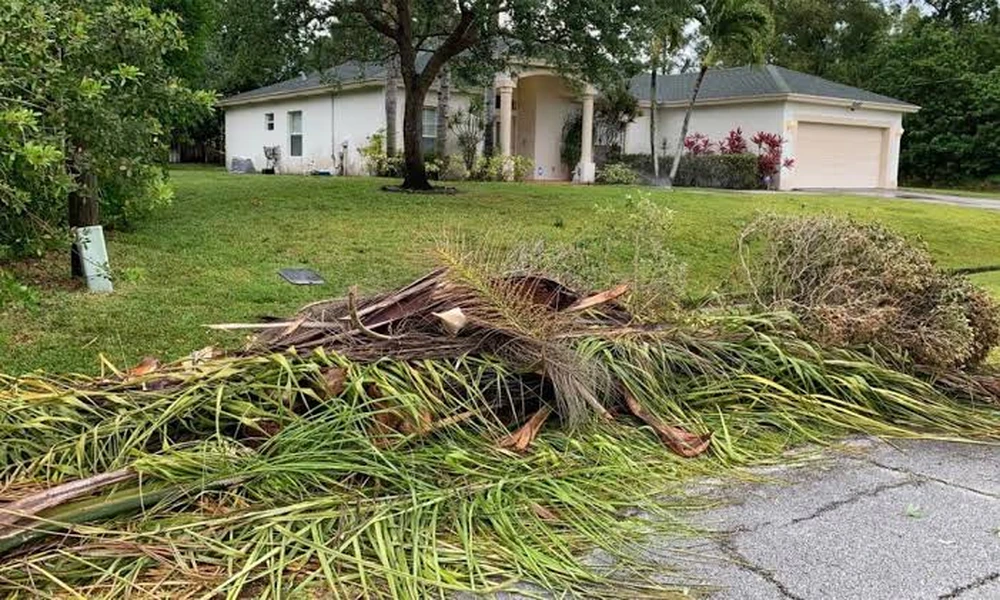
A weekend landscaping project can make a yard look better, but it can also leave behind a lot of debris. Tree branches, brush, old fencing, leaves, soil bags, patio materials, and damaged outdoor furniture can quickly pile up.
Storms can create an even bigger problem. Downed limbs and scattered debris may block driveways, crowd the curb, or make a property look neglected. Knowing how to handle yard waste properly can help homeowners restore their outdoor space faster and avoid turning a cleanup project into a weeks-long chore.
Sort Yard Debris Before You Start
The first step is to separate debris into groups. Natural materials such as branches, leaves, and grass clippings may have different disposal options than fencing, old planters, broken outdoor furniture, or construction materials.
Common categories include:
- Tree limbs and brush
- Leaves and grass clippings
- Old landscaping materials
- Damaged patio furniture
- Fence panels and deck materials
- Storm-damaged outdoor items
The EPA’s home composting guidance explains how certain organic materials can be composted instead of thrown away. However, not every homeowner has the time, equipment, or space to manage a large amount of brush or debris.
Do Not Overfill Your Curbside Collection
Many people assume all yard debris can be placed at the curb, but local collection rules may set limits on bag sizes, branch lengths, pickup schedules, and accepted materials. Large piles, heavy limbs, or mixed debris may not be collected.
It is a good idea to check with your local waste provider before placing anything outside. Metro Nashville also provides guidance on waste and recycling services, which can help residents understand local disposal options.
For larger cleanup projects, arranging professional junk hauling and yard-waste removal can save several trips to a landfill or recycling center.
Remove Storm Debris Quickly
After a storm, yard debris can create safety concerns. Broken branches may block walkways, hide hazards, or damage fences and gutters. Wet leaves and loose limbs can also become slippery, especially around driveways and entrances.
If you are dealing with a large amount of debris, focus first on making the property safe:
- Keep driveways and walkways clear
- Avoid moving large branches alone
- Keep children and pets away from unstable piles
- Separate natural debris from damaged furniture or fencing
- Schedule removal before the pile grows larger
Homeowners in the area can turn to Light Year Junk Removal for help with bulky outdoor clutter, old furniture, branches, fencing, and general property cleanup.
Make Room for Your Next Outdoor Project
Removing debris is not only about cleaning up after a storm. It can also help prepare a yard for a new deck, garden bed, patio, fence, or landscaping project. Clearing the space before new materials arrive keeps the project organized and gives contractors room to work.
For residents needing junk removal in Spring Hill, professional hauling can help make a yard feel usable again without spending an entire weekend loading and unloading debris.
Get Help With Large Cleanup Jobs
Some outdoor projects create more waste than expected. A few shrubs can turn into a truckload of brush, while an old fence or deck can leave behind heavy materials that are difficult to move safely.
Whether you are clearing storm damage, replacing a fence, cleaning up after landscaping, or getting a home ready to sell, Greater Nashville area junk removal can help with the heavy lifting.
For flexible scheduling and a straightforward cleanup process, contact Light Year Junk Removal to request a quote for yard debris, outdoor furniture, fence removal, and other unwanted items.
