

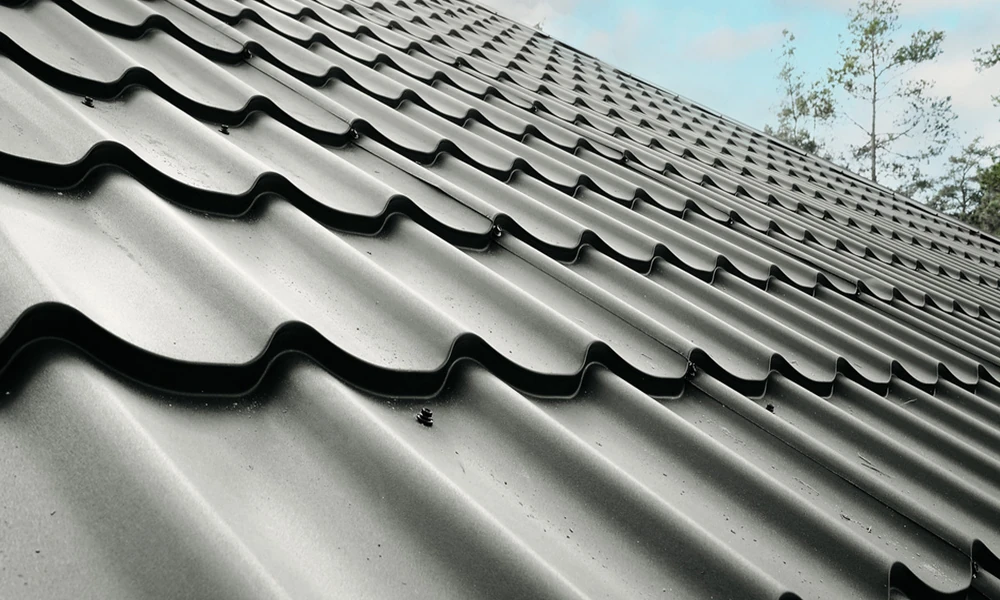
Metal roofing used to be a rare sight on residential streets, mostly tied to barns and workshops. That has changed. Today homeowners choose metal for its long lifespan, its ability to shed snow, and the wide range of colors and profiles available. But “metal roof” is not one product. Panel style, coating, thickness, and installation method all affect how the roof performs, and the differences matter. Here is a clear way to sort through the choices before you start collecting quotes.
Why more homeowners are looking at metal
The main draw is durability. Metal panels do not crack, curl, or lose granules the way asphalt shingles can, and a well installed system often lasts far longer than conventional roofing. Metal also sheds snow and rain quickly, resists rot and insects, and holds up well against fire since the panels do not burn.
The tradeoff is price. Metal usually costs more upfront than shingles, so the real question is whether you plan to stay in the home long enough to benefit from the longer lifespan and lower maintenance.
Compare the main panel styles
Most residential metal roofs fall into two broad groups.
- Standing seam panels run from the ridge to the eave with raised seams that lock together. The fasteners are hidden under the panels, which leaves a clean look and fewer places for water to enter.
- Exposed fastener panels, sometimes called screw down panels, are attached with visible screws and rubber washers. They cost less, but the washers wear over time and the screws need periodic checking and replacement.
There are also metal products shaped to look like shingles, shakes, or tile, which suit homeowners who like the benefits of metal but want a traditional appearance. Ask to see actual samples and, if possible, finished roofs that have been in place for a few years.
Weigh your local weather before you decide
Roofs take a beating from wind, hail, heavy snow, and big swings between hot and cold, and different panel systems handle those stresses differently. Homeowners researching Rapid City metal roofs should ask installers how a given system performs in hail, how it manages sliding snow, and how fasteners and seams hold up through repeated freezing and thawing. A contractor with local experience can explain what has worked on nearby homes and what has needed repair, which is more useful than a general brochure.
Snow behavior deserves special attention. Smooth metal panels can release snow suddenly, which is a hazard above doorways, walkways, and parking areas. Snow guards or retention systems can slow the release, and they are much easier to plan for at installation than to add later.
Think about color and coating
A metal roof is only as good as its finish. Quality coatings protect against fading, chalking, and corrosion, so ask what type of paint system is used and what the manufacturer’s warranty covers, including fade and chalk limits.
Color also affects how the roof handles sunlight. The U.S. Department of Energy explains on its cool roofs page that roofs that reflect more of the sun’s energy stay cooler and can lower cooling demand. Those benefits are greatest in warm climates, and in colder regions the savings are smaller, so in a place with long winters, color is usually better chosen for appearance and coating quality than for reflectivity alone. Still, a reflective finish can help on hot summer afternoons, so it is worth asking about the options.
Separate the myths from the facts
A few worries come up again and again. Many people assume metal roofs are loud in the rain. With solid roof decking and proper underlayment, the sound is typically muffled and often no louder than other roofing types. Others worry that metal attracts lightning. A metal roof does not make a strike more likely, and because the material is not combustible, it can actually be a safer surface if one occurs.
Denting is a more legitimate concern. Thin panels can dent under large hail, so panel thickness and material matter. Ask about the gauge of the metal, the type of steel or aluminum, and whether a particular product has impact ratings. Insurance companies sometimes treat impact resistant roofs differently, so a call to your insurer before choosing can help.
Compare cost and lifespan honestly
When you collect quotes, make sure they describe the same thing. Differences in panel gauge, coating quality, underlayment, flashing details, and trim can explain wide gaps in price. A low bid that uses thin panels and exposed fasteners is not equal to a higher one that uses standing seam panels with a stronger coating.
Think in terms of cost over time. A roof that lasts several decades and needs little upkeep can cost less per year than a cheaper roof that needs replacing sooner. Your own plans matter here too, since the payoff grows the longer you stay.
Ask your installer the right questions
Good contractors welcome detailed questions. Ask who will do the installation, how long the company has installed metal specifically, and how roof penetrations, valleys, and chimneys will be flashed. Ask about the warranty on materials and the warranty on labor, since they are different. Request a written scope of work that lists the panel type, gauge, coating, underlayment, fasteners, and cleanup.
Installation quality matters as much as the product. Even the best panels can leak or loosen if the details are rushed.
Final thoughts
A metal roof can be a smart long term investment, but only when the product and installation fit the home and the climate. Choose a panel style that suits your budget and appearance goals, check how the system handles snow and hail, pick a quality coating, and compare quotes on matching specifications. Ask direct questions and expect clear answers. Do that, and your roof should protect the house for decades without constant attention.
