

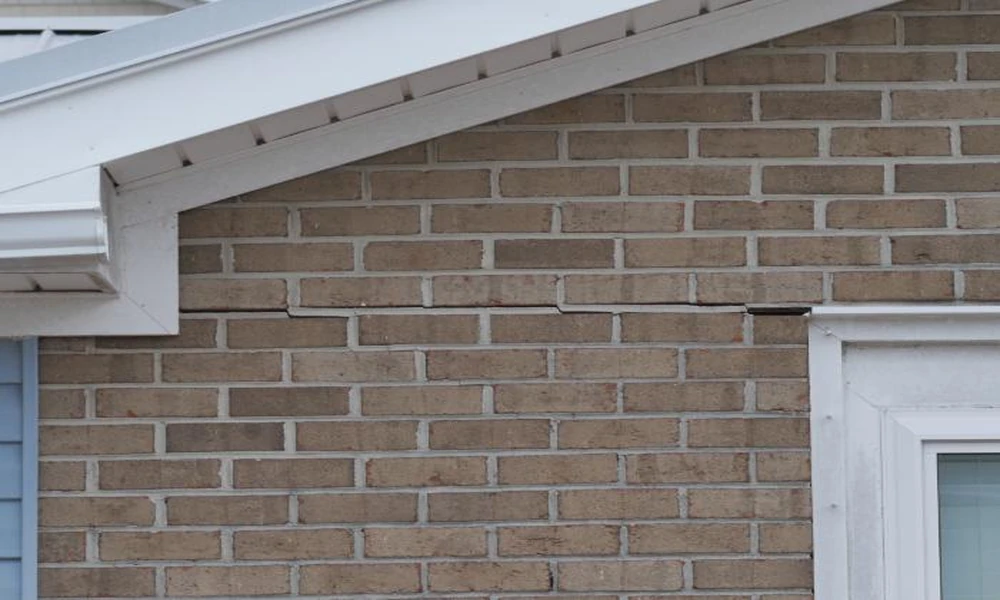
Home renovations often begin with exciting plans for new flooring, updated kitchens, expanded living areas, or improved outdoor spaces. However, before investing in major improvements, homeowners should consider the condition of the structure supporting those upgrades. Hidden foundation concerns can complicate remodeling projects, particularly when existing cracks, uneven floors, or moisture problems have not been properly evaluated. A foundation inspection in Stafford can help homeowners understand whether visible structural concerns should be investigated before renovation work begins.
For property owners planning significant improvements, staffordfoundationrepairpros.com provides a starting point for exploring foundation-related services. Understanding the relationship between foundation conditions and renovation decisions can help homeowners plan projects more carefully, avoid unnecessary disruptions, and determine when additional professional assessments may be appropriate.
Why Renovations Can Reveal Existing Problems
Home improvement projects sometimes expose conditions that were previously hidden behind finished surfaces.
Removing flooring may reveal uneven subfloors, while replacing drywall can expose cracks that were covered by earlier repairs. Kitchen renovations may also reveal gaps between cabinets and walls that were not obvious before demolition.
These discoveries do not automatically indicate foundation damage.
Buildings can develop irregularities for several reasons, including normal material movement, installation issues, moisture exposure, or structural changes.
However, when several unusual conditions appear together, homeowners may benefit from having the underlying structure evaluated before proceeding with expensive finishing work.
Check the Foundation Before Installing New Flooring
Flooring improvements are among the most common residential renovation projects.
Whether homeowners are considering hardwood, tile, laminate, or another material, the supporting surface should be evaluated for suitability.
A noticeably uneven floor may require more than cosmetic leveling.
In some homes, irregularities can develop because of framing conditions, subfloor problems, or movement affecting the supporting structure.
Before correcting an uneven surface, it is important to understand why the condition exists.
A foundation inspection in Stafford may help determine whether observed floor irregularities warrant further foundation-related evaluation.
Addressing the cause of a problem before installing expensive flooring can reduce the likelihood of having to revisit the same issue later.
Consider Wall Cracks Before Repainting
Fresh paint can transform a room, but it can also conceal visible warning signs.
Homeowners preparing to repaint may notice cracks near door frames, windows, ceiling corners, or wall intersections.
Some cracks result from ordinary movement in finishing materials. Others may be associated with changes in the supporting structure.
Pay attention to cracks that repeatedly return after repairs or appear alongside doors that no longer align properly.
Before patching and painting, homeowners should consider whether the cracking pattern deserves further assessment.
Understanding the condition beforehand can help avoid repeated cosmetic repairs that fail to address an underlying issue.
Plan Carefully Around Kitchen Renovations
Kitchen remodeling often involves substantial investments in cabinetry, countertops, flooring, and appliances.
These improvements depend on reasonably stable and properly prepared supporting surfaces.
If a kitchen has noticeable floor slopes, recurring wall cracks, or unusual gaps around built-in features, homeowners should investigate the cause before installing permanent fixtures.
A countertop or cabinet installation may require adjustments when surrounding surfaces are not level.
However, simply compensating for an irregular surface does not necessarily resolve the condition responsible for it.
Evaluating concerns before ordering custom cabinetry or countertops can make the renovation process more predictable.
Bathroom Remodeling Can Expose Moisture Concerns
Bathrooms experience regular exposure to water and humidity.
During remodeling, contractors may discover deteriorated materials, damaged subfloors, or evidence of previous leaks.
Although these conditions are not necessarily foundation problems, long-term moisture exposure can affect building materials and complicate renovation work.
The U.S. Environmental Protection Agency’s guidance on moisture and mold emphasizes the importance of identifying and correcting moisture problems rather than addressing only their visible effects.
Homeowners should distinguish plumbing-related moisture damage from water entering through foundation walls or other building-envelope components.
The appropriate repair depends on where the moisture originates.
Understand How Drainage Affects the Property
Exterior renovations can change how rainwater moves around a house.
New patios, walkways, driveways, landscaping features, and grading adjustments may affect drainage patterns.
If water is directed toward the foundation rather than away from the structure, moisture-related problems may become more likely.
Before beginning outdoor improvements, homeowners should observe where rainwater collects and how quickly it drains.
Downspouts, soil grading, and paved surfaces should all be considered during planning.
A foundation inspection in Stafford may be particularly useful when homeowners already notice basement moisture, foundation cracks, or signs of movement alongside poor drainage conditions.
Be Careful When Adding Heavy Features
Some renovations introduce additional loads to a structure.
Examples include substantial built-in features, heavy masonry elements, or major changes to interior layouts.
These projects require appropriate planning because existing structural components may not have been designed for the proposed changes.
Homeowners should not assume that a foundation can support every renovation simply because the house has stood for many years.
When a project involves significant structural modifications or additional loads, a licensed structural engineer may need to evaluate the design and existing support system.
A foundation contractor and structural engineer can serve different roles, depending on the concern and the proposed work.
Pay Attention to Doors and Windows During Remodeling
Replacing doors and windows can reveal alignment problems that homeowners previously overlooked.
An opening that is noticeably out of square may require additional investigation before a new unit is installed.
While normal construction tolerances, framing conditions, and material movement can contribute to these irregularities, foundation movement is another possible consideration.
If several openings throughout the house show similar problems, homeowners should mention that pattern during an assessment.
Understanding the reason for recurring alignment issues can help prevent new doors or windows from being installed without addressing a potentially relevant underlying condition.
Know What an Inspection May Involve
The scope of a foundation evaluation depends on the property, visible symptoms, and the professional performing the assessment.
An inspector may review accessible foundation areas, examine visible cracking, discuss drainage conditions, and consider whether reported changes suggest possible movement.
Homeowners should ask which areas will be examined and whether any limitations apply.
Not every foundation concern can be fully diagnosed through a visual assessment alone.
Depending on the findings, additional measurements, testing, or evaluation by a licensed structural engineer may be recommended.
Understanding the scope of the inspection helps homeowners interpret the results appropriately.
Coordinate Repairs With the Renovation Schedule
Discovering a foundation concern does not always mean canceling a renovation.
However, it may affect the order in which work should be completed.
If foundation repairs are necessary, homeowners should discuss how those repairs could affect flooring, walls, cabinetry, exterior surfaces, or other planned improvements.
Completing finish work before resolving a significant underlying problem may create unnecessary rework.
Contractors involved in separate parts of the renovation should understand any relevant structural concerns.
Coordination can help homeowners make decisions about scheduling, access, and the sequence of improvements.
Keep Records for Future Projects
Documentation can be useful long after an inspection or renovation is complete.
Homeowners should retain inspection findings, repair recommendations, contracts, photographs, and relevant warranties.
These records may help explain previous work when additional improvements are planned.
They can also provide useful background information if a new crack or other condition develops later.
For homeowners completing renovations in phases, organized records can make it easier to track which concerns have already been evaluated.
Avoid Making Decisions Based on Appearance Alone
A newly renovated home can look excellent while still having unresolved conditions beneath its finished surfaces.
Likewise, an older home with minor cosmetic cracks may not necessarily have significant foundation damage.
Appearance alone does not establish structural condition.
The goal of a foundation inspection in Stafford is to obtain more information about observed concerns rather than assume that every imperfection requires major repairs.
Homeowners should seek explanations supported by the property’s actual condition and request further professional evaluation when findings are uncertain or potentially serious.
Build Your Renovation Plans on Better Information
Renovations involve numerous decisions, from materials and design to budgets and construction schedules. Understanding the condition of the supporting structure can make those decisions more informed. A foundation inspection in Stafford may help identify concerns that deserve attention before homeowners invest in new finishes, fixtures, or exterior improvements.
Property owners preparing for renovations can contact Hometown Foundation Repair Stafford to discuss foundation concerns and available inspection services. Evaluating potential issues before major improvements begin can help homeowners establish a clearer renovation plan and determine whether foundation repairs or additional structural assessments should be considered.
Add a concise inspection warning-sign checklistClarify the inspection service call to action
