

Key Takeaways
- Renovation dust behaves differently from everyday dirt
- Poor sequencing causes dust to resettle quickly
- New finishes require careful, material-specific handling
- Advanced methods protect both health and interiors
Introduction
Renovations promise transformation, but they also leave behind fine dust, construction residue, and hidden debris that standard cleaning routines struggle to remove. This is why post-renovation cleaning demands more than surface-level effort. Experienced cleaning services in Singapore approach this stage with specialised techniques that prevent recurring dust, protect new materials, and make spaces truly ready for use.
Why Renovation Dust Is Harder to Eliminate
Renovation dust contains fine particles from cement, plaster, and wood that stay airborne longer and cling to surfaces. If handled incorrectly, it shifts from one area to another. Post-renovation cleaning must account for this behaviour. Cleaning services in Singapore often start by controlling airflow, sealing vents, and avoiding dry sweeping. Construction dust can linger for weeks if not removed using damp or filtered methods, reinforcing the need for a strategic approach.
Tip 1: Sequence Matters More Than Speed
Many people clean visible areas first, only to find dust settling again. Professional post-renovation cleaning works top-down and inside-out, addressing ceilings, fixtures, and enclosed spaces before floors and open surfaces. Cleaning services in Singapore follow this order to prevent recontamination. Task sequencing is a key factor in reducing repeat cleaning and improving efficiency.
Tip 2: Use Material-Specific Techniques
Newly renovated spaces often combine multiple materials, such as glass, laminate, natural stone, metal, and painted surfaces. Each reacts differently to moisture and cleaning agents. Advanced post-renovation cleaning avoids one-size-fits-all solutions. Cleaning services in Singapore match techniques to materials, using gentle methods on delicate finishes while applying stronger treatments where residue is stubborn. Incorrect products can dull surfaces or weaken coatings, which is why professional guidance matters at this stage.
Tip 3: Control Dust Rather Than Chase It
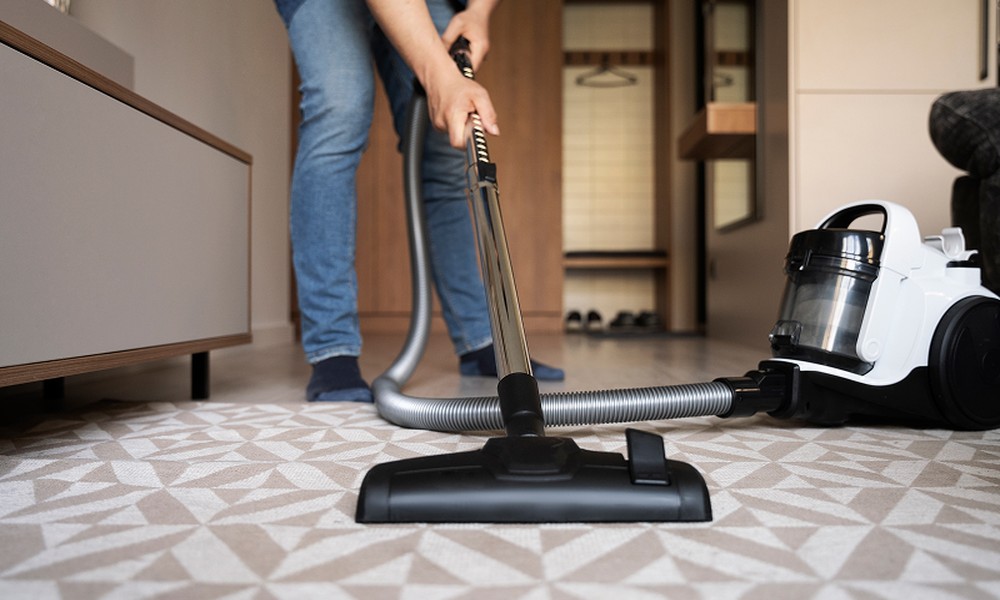
Advanced cleaning focuses on containment. Damp wiping, microfibre cloths, and HEPA-filtered vacuums capture particles instead of dispersing them. Post-renovation cleaning carried out this way significantly reduces airborne dust. HEPA filtration is effective in capturing fine construction particles, improving both cleanliness and air quality.
Tip 4: Pay Attention to Hidden Zones
Renovation debris often hides in places people overlook: inside cabinets, behind fixtures, window tracks, and ventilation covers. Advanced post-renovation cleaning treats these as priority zones rather than afterthoughts. Cleaning services in Singapore systematically open, inspect, and clean these areas to prevent long-term dust release. Hidden dust reservoirs are a primary reason renovated spaces feel dusty weeks later.
Tip 5: Allow Proper Settling Time Before Final Cleaning
Cleaning too soon after renovation may miss particles that have not yet settled. Many cleaning services in Singapore recommend an initial rough clean followed by a final post-renovation cleaning after dust has settled. This staged approach produces more stable results and reduces the need for repeated cleaning.
Tip 6: Protect New Fixtures During Cleaning
New fixtures and fittings are vulnerable during aggressive cleaning. Cleaning services in Singapore understand that damage caused during cleaning undermines the renovation itself. Post-construction cleaning is a common source of avoidable surface damage when done without care.
Tip 7: Address Odours, Not Just Surfaces
Renovation odours from paint, adhesives, and sealants can linger even after surfaces look clean. Advanced cleaning includes ventilating spaces properly and using neutralising methods rather than masking scents. Post-renovation cleaning that addresses odours improves indoor comfort and usability. Perceived cleanliness is closely linked to air quality, not just visual appearance.
Tip 8: Plan for Maintenance After the Initial Clean
Cleaning services in Singapore often advise light follow-up cleaning to capture residual dust released during normal use. Post-renovation cleaning works best when followed by gentle maintenance rather than aggressive re-cleaning. Early-stage upkeep significantly extends the benefits of deep cleaning.
Why Professional Expertise Makes a Difference
While DIY cleaning can address surface dirt, it often lacks the consistency needed for renovation residue. Cleaning services in Singapore apply repeatable methods refined through experience, reducing guesswork. Post-renovation cleaning carried out professionally often saves time and prevents costly mistakes, especially in newly finished spaces.
Avoiding Common Advanced-Level Mistakes
Over-wetting surfaces, using harsh chemicals, or skipping ventilation can create new problems. Advanced post-renovation cleaning avoids these pitfalls by balancing thoroughness with restraint. Cleaning services in Singapore rely on tested procedures rather than improvisation, which is why results are more predictable and durable.
Conclusion
Post-renovation cleaning is about protecting the investment you have just made. Advanced techniques focus on sequencing, containment, material care, and timing to ensure results last. Cleaning services in Singapore that apply these principles turn post-renovation cleaning into a final step that truly completes the renovation, rather than a temporary fix. When done right, the space stays cleaner, healthier, and ready for daily use.
If you want post-renovation cleaning handled with advanced care and attention to detail, consult with G-Journey today.


